

Choosing the best stock market course can feel overwhelming with the explosion of online options, aggressive marketing, and wildly varying quality. From my experience, making the right educational choice has a direct impact on your investing confidence, skills, and long-term performance. Drawing from researched data, forum discussions, and real student experiences, this guide breaks down exactly how to evaluate your options and avoid common pitfalls.
Quick Summary
- Evaluate instructor credentials—real market experience matters more than flashy marketing.
- Look for a course with a thorough, balanced curriculum covering technicals, fundamentals, risk, and psychology.
- Consider how the course is de.red: cohort programs often have much higher completion rates.
- Weigh the true overall costs—including hidden fees and opportunity cost—against the value provided.
- Check ongoing support, peer community, and mentorship opportunities.
- Trust independent student reviews and watch for common red flags to avoid scams.
Understanding the Stock Market Education Landscape
The stock market education niche has exploded, with options ranging from Ivy League online courses and modestly priced Udemy series to $50,000 “mentorships.” This growth has democratized access to trading knowledge, but also led to a surge of questionable offers. As per the Federal Trade Commission’s 2020 complaint against Online Trading Academy, some courses pull in hundreds of millions in sales while the vast majority of students report no real profits or skill gains afterwards.
Forums like Reddit’s /r/stocks and specialty communities paint a similar picture: “There’s a new ‘guru’ every week promising the moon. Most of them make their money teaching, not trading,” noted user RealTraderTX. In contrast, reputable academic platforms such as Coursera (Yale’s Financial Markets) offer theoretical depth and quality controls, but may lack hands-on elements needed for active trading.
Learning format also matters. Data from platforms like Section 4 highlight a striking truth: Only about 12.6% of people finish self-paced finance courses vs. 85%+ completion in accountable, peer-driven cohort programs. That engagement gap impacts not just knowledge, but long-term trading results.
The Six Critical Selection Criteria for Stock Market Course Selection
1. Instructor Credentials and Real Trading Experience
The instructor’s background is your first filter. Look for educators with real trading experience, professional certifications (like CFA, CMT), and a history of successful market participation—not just high follower counts or lavish Instagram images. One Wall Street Oasis thread put it candidly: “If your teacher’s only track record is selling courses, that tells you all you need to know.”






- Real-world history: Have they managed significant capital or worked for established financial firms?
- Verified results: Can they provide evidence of . trading results over several years?
- Professional credentials: Finance degrees, industry licenses, and published research matters.
Be wary of instructors who fund their lifestyles purely from course sales. Some “gurus” flaunt rented Lamborghinis but can’t document consistent trading income. As uncovered in a detailed Reddit exposé about Yarimi University, “the luxury cars come from course signups, not real market wins.”
| Quality Indicator | What to Look For |
|---|---|
| Real Trading Record | Verified returns, industry employment, or competition wins |
| Industry Recognition | Mentions in trusted finance media, regulatory affiliations |
2. Comprehensive Curriculum and Content Depth
The best courses walk you from basics to advanced topics, with modules for both theory and real trading practice. They cover:
- Fundamental and technical analysis, including chart reading, indicators, and financial statement analysis
- Risk management—position sizing, drawdown control, and discipline
- Market psychology and behavioral finance (often overlooked, but critical according to Mind Muscles for Traders’ students)
- Trading platforms and tools, plus hands-on exercises or case studies
As Brooks Trading Course users highlight, “The structured path—start with basics before diving deep—makes all the difference for retention and actual results.” Check for a balance of lesson formats (videos, . calls, quizzes, simulators).
3. Teaching Methodology and De.ry Model
How you learn is just as important as what you learn. Research points to a major difference:
- Self-paced online: Flexible, but only 12.6% finish according to platform data. Great if you’re highly self-motivated.
- Cohort/coached: Over 85% completion in Section 4’s model. Peer support, accountability, and group learning keep you on track.
- Hybrid/. sessions: Allow for real-time Q&A, immediate feedback, and discussion of current market events, which can be vital for application.
Also review resources provided: simulators, quizzes, discussion boards, and example trades. Active community forums (like Brooks or select Discord servers) can accelerate the learning curve as you solve problems with peers.
4. Cost, Value, and ROI
Prices range from free resources to $50,000 “wealth academies.” Raw price isn’t the best measure—think in terms of value:
- What’s included? Personal coaching, proprietary tools, lifetime access?
- Hidden costs? Expensive add-ons, platform subscriptions, or required “upsells?”
- Is there a money-back guarantee? Fair refund policies show a provider’s confidence in their product.
- Time investment: Consider whether the course fits your schedule.
One Reddit user, /u/freetradesman, summed it up: “I made more progress in a $300 cohort than in a $5K ‘mentorship’ that was mostly webinars and hype.” Think hard about ROI in terms of transferable skills, not just the size of your initial outlay.
| Cost Range | Typical Features |
|---|---|
| Free–$200 | Self-paced, limited support, some community access |
| $500–$2,000 | Live coaching, simulators, full curriculum |
| $5,000+ | Mentoring, networking, hands-on casework (watch for inflated claims) |
5. Student Support and Community
Good support is more than an afterthought. Look for:
- Responsive instructors: Quick answers to questions, active participation in forums or Slack groups
- Peer learning: Supportive communities foster growth through sharing wins, losses, and accountability
- Ongoing access: Can you revisit materials? Are alumni events or continuing development offered?
- Technical and administrative support: You shouldn’t be fighting platform glitches alone when markets move fast
Real success often grows from interactive communities, as seen from students in the Brooks Trading Course who note, “Learning from peers’ trade breakdowns has been a game-changer.”
6. Reputation, Outcomes, and Independent Reviews
Don’t just trust what the course says about itself. Check:
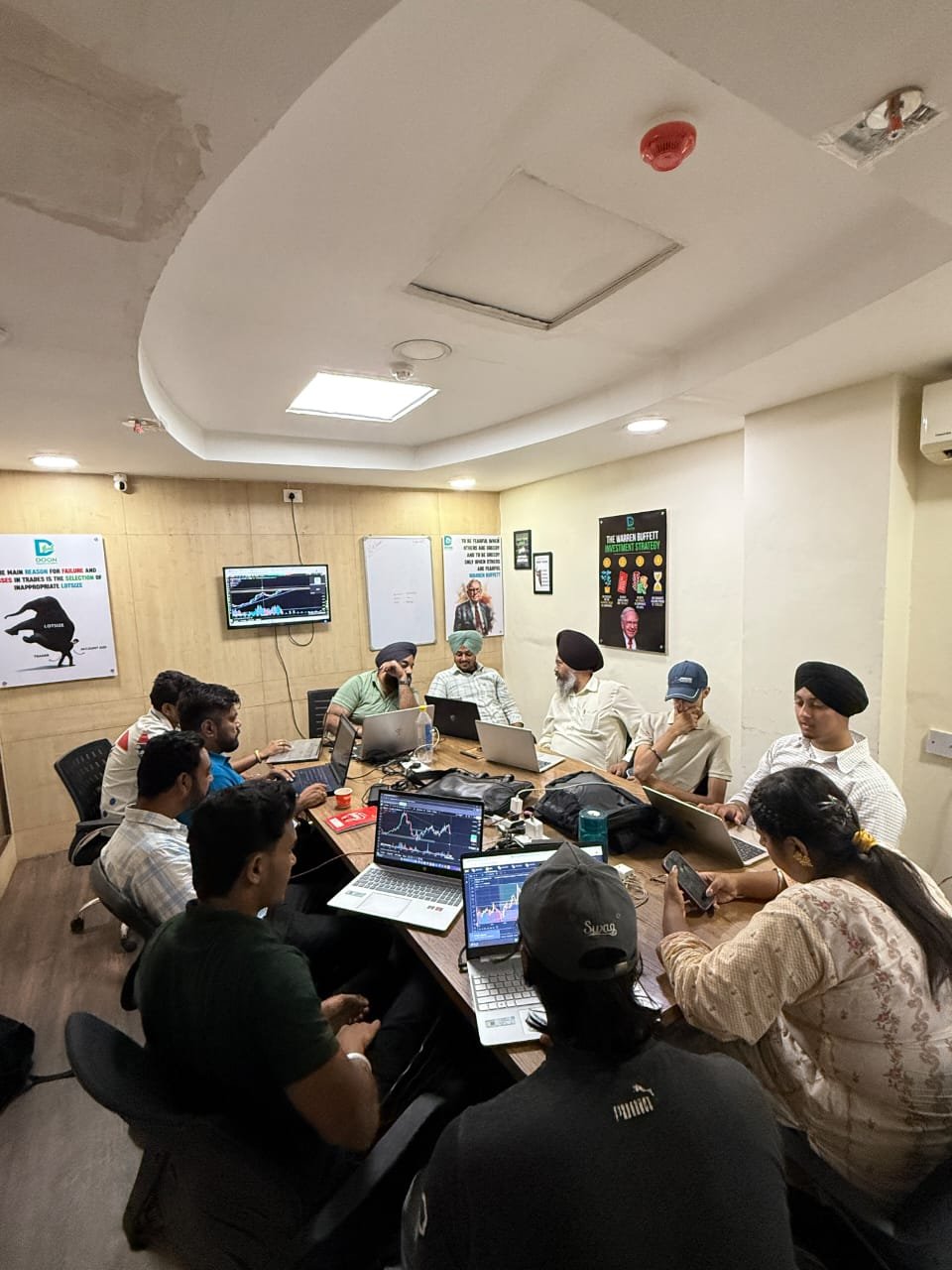
- Reddit and trading forums: Look for recurring patterns in feedback, not just a handful of testimonials. Avoid courses with lots of censored or “overly glowing” reviews.
- Accreditation: Is the course affiliated with a known educational or regulatory body?
- Verified outcomes: Are there unbiased completion and success stats, not just handpicked “win” stories?
- Industry recognition or media coverage: Features in reputable finance outlets matter.
Beware non-disparagement clauses, which force students to stay silent if they’re dissatisfied—often seen with questionable providers, as revealed in the FTC’s Online Trading Academy records.
Avoiding Common Pitfalls and Scams in Stock Market Course Selection
Here’s what to watch out for when evaluating stock market course offers. I’ve seen far too many learners get burned by:
- High-pressure sales tactics: Pushy free webinars, “special pricing” if you sign up now, or aggressive calls—these are classic hallmarks of low-quality or scam education products.
- Unrealistic promises: Phrases like “guaranteed profits,” “trade like me in 30 days,” or “copy my signals” are immediate red flags. As FTC investigations show, most retail students don’t achieve advertised results.
- Fake testimonials and manipulated success stories: Some groups coerce students into giving positive reviews or cherry-pick temporary “wins.”
- Signal-selling and automated systems: Offers that bypass education in favor of robo-trading or copy-trading can foster dangerous dependency and rarely de.r long-term value.
- Review suppression and non-disparagement clauses: Genuine educators welcome scrutiny, while “hush money” schemes speak for themselves.
Always research before paying—search trusted finance forums and look for repeat critiques, warnings, or threads citing the same issues. The “flashing PnL” culture traps many newbies, but not the truly successful traders.
Platform Analysis and Real Student Experiences
Let’s look at highlights from top educational platforms and user verdicts:
- Coursera (Yale’s Financial Markets): “Academic rigor, clear frameworks, great for foundation. Lacks . practice.” (4.7/5 stars, over 1,300 reported reviews)
- Investopedia Academy: Practical, focused, but mixed depth across courses; forums often help fill in gaps.
- Brooks Trading Course: Deep technical analysis, active forum; “demanding, but extremely thorough,” per student AuriJol.
- Udemy & Skillshare: Budget-friendly, but content is hit or miss—always check ratings and instructor bios before enrolling.
- Section 4 Cohorts: Consistently highest engagement; . accountability drives completion, per internal data.
Reddit and major forums are packed with critical reviews: “I spent $6,000 on a ‘step-by-step mentorship’… it was recycled YouTube content and endless upsells.” On the flip side, students praise courses where instructors are engaged, practical, and transparent about risk and the learning process.
Cost-Benefit Analysis and Value in Stock Market Course Selection
It’s easy to anchor on price, but the smarter move is to weigh total benefits:
- Does it offer a pathway from learning to practical implementation?
- Will it save you time, money, or frustration later via risk education?
- Is content updated regularly to reflect current market realities?
- What do alumni say about real, lasting impact? Have their results improved measurably?
When you do a true side-by-side comparison, some mid-priced courses de.r far better ROI than pricey “gurus”—mainly through community, access, and tailored support.
How to Measure #Course Effectiveness and Success
Completion stats are just the starting point. True effectiveness shows in:
- Substantial knowledge gain from pre-course to post-course assessment
- Improved behavior—such as risk management and psychological resilience (especially reported by Mind Muscles for Traders alumni)
- Long-term engagement—active alumni communities versus “ghost town” forums
- Repeat enrollments or referrals—students voting with their feet
- Career outcomes—where applicable, has the course helped people enter finance or level up?
Forums and independent groups, rather than flashy testimonials, tend to be the most honest channel for tracking these results over time.
Five Advanced, Beyond-the-Obvious Facts About Stock Market Course Selection
- Course completion rates are a leading success indicator. Platforms reporting over 85% completion (cohort or . programs) provide outcomes up to 7x better than “study on your own” models (completion median: 12.6%).
- Psychological prep is just as important as technical skill. Programs focused on market mindset and behavioral finance report higher student retention and lesser attrition. “I realized my real problem was discipline, not charts,” said /u/JaySharpEdge on Reddit.
- Hidden upsell chains are a major industry trap. Some “starter” courses are loss-leaders pushing you toward $10K+ masterminds. Always clarify total trajectory pre-purchase.
- Active, well-moderated alumni communities are a major long-term value source. Continued peer interaction and support makes or breaks lasting trading improvement.
- Free institutional courses sometimes outperform expensive paid options. Yale’s financial markets MOOC on Coursera, for instance, enjoys 97% satisfaction and broad acclaim, according to verified ratings.
Conclusion
I’ve learned through hard experience—and countless threads from fellow learners—that the right stock market course selection isn’t about picking the cheapest or flashiest option. It starts with checking the instructor’s history, ensuring the curriculum matches your learning goals and level, and feeling confident about the teaching pace and support offered. I always look for real user feedback, honest refund terms, and communities that offer ongoing discussion and practical, real-world advice.
If I were starting over, here’s how I’d tackle the selection, step by step:
- First, clarify my personal learning objectives (active trader vs. investing fundamentals, for example).
- Shortlist only those courses with fully transparent instructor bios and real-world credentials.
- Review the full syllabus: does it cover key technical, fundamental, risk, and psychological ground?
- Check who can answer my questions (., community, or bot?), what happens after I finish, and the format that fits my schedule.
- Weigh the cost and look for honest outcomes, avoiding anything with pressure tactics or non-disparagement clauses.
- Balance insights from independent reviews (Reddit, forum searches), not just testimonials.
By following this process, you’ll be equipped to make a smart, empowered decision—one that boosts your skills and protects your financial future. What’s been your experience with stock market education? Share your questions or stories in the comments, and let’s help each other avoid common traps.