



Career Paths in Indian Financial Markets: Scope, Roles & Salaries
The Indian financial markets offer a wide range of career paths — from active roles on the trading floor to research, risk management, compliance, technology and client-facing wealth...
What is Revenge Trading? Causes and How to Avoid It
Revenge trading is the impulse to take new, often larger or riskier trades immediately after a losing position, with the goal of “getting even.” It is driven by...

How to Master Stop-Loss Placement: Methods & Tradeoffs
Placing a stop-loss is one of the few decisions in trading that directly controls the maximum loss on a trade. The method you choose affects win-rate, position sizing,...
How Option Pricing Works: Intrinsic and Time Value
I write options regularly and I want to explain, in practical terms, how option pricing breaks down into intrinsic value and time value. This article shows how each...

Multi-Timeframe Analysis (MTA): How & Why Traders Use Multiple Charts
I started using multi-timeframe analysis early in my trading because I kept seeing entries that looked perfect on a 5-minute chart but failed on the daily chart. Over...
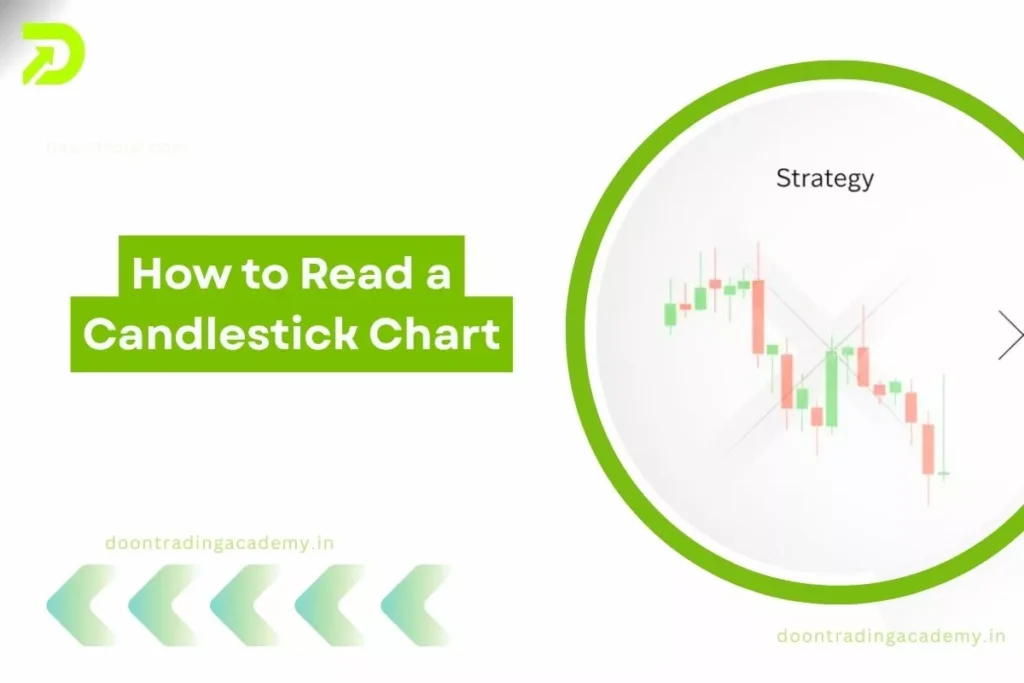
How to Read a Candlestick Chart
I started learning to read candlestick charts because raw price numbers and line charts weren’t giving me the context I needed for trades. Over time I learned to...

Support and Resistance: How Levels Are Identified
I often start my analysis by asking a simple question: where will price likely pause or reverse? Over the years I’ve relied on a combination of price action,...

Trading Theory vs. Practice: Why Chart Work Wins
I learned early in my trading journey that charts speak a different language than classroom slides. Theory gives you frameworks and labels; real charts force you to interpret...

How to Identify a Genuine Trading Institute: 12 Red Flags
I have spent years evaluating trading education providers, from university-affiliated programs to browser-based weekend bootcamps. In this article I share the 12 red flags I look for first,...
Position Size Calculation: How to Apply the 2% Rule in Trading
I rely on disciplined position sizing to protect my trading account from catastrophic drawdowns. The 2% rule—risking no more than 2% of account equity on any one trade—has...