


Stock market investment can seem daunting for beginners, but learning how to navigate it is crucial for building long-term wealth. I know from personal experience how overwhelming the financial world can appear, especially with all the jargon, confusing options, and sometimes conflicting advice out there. However, understanding the basics helps you take control of your finances instead of letting money worries control you.
When I began my investment journey, I quickly realized that stock market investing isn’t just for the wealthy. Anyone—even with a modest income—can get started with the right foundation and mindset. In this guide, I’ll walk you through the eight essential steps that have helped me (and countless others) begin investing in the stock market with confidence and clarity.

Quick Summary
- Start with your financial basics: Build an emergency fund and pay off high-interest debt before investing.
- Set clear investment goals: Define your time horizon and what you’re investing for—retirement, a house, or other milestones.
- Understand your risk tolerance: Assess how much market fluctuation you’re comfortable handling.
- Choose your investment approach: Decide between managing investments yourself or using a robo-advisor platform.
- Select a brokerage: Compare platforms for fees, selection, and ease of use based on your needs.
- Invest gradually: Start with small amounts and automate contributions to develop consistency and confidence.
- Diversify your portfolio: Spread investments across stocks, sectors, and asset classes to manage risk.
- Maintain discipline: Monitor, rebalance, and stick to your plan—avoid chasing hot tips or reacting emotionally.
1. Understanding the Basics of the Stock Market
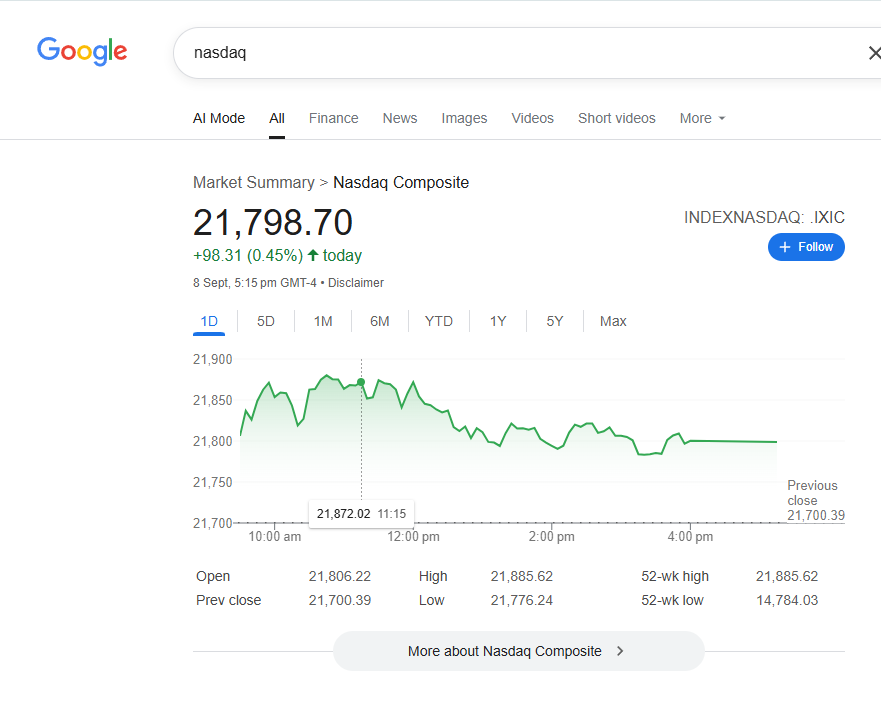
The stock market connects investors seeking to grow their money with companies looking to raise capital. When you buy a stock, you’re purchasing a share of ownership in a public company. These shares are traded on exchanges like the NYSE or NASDAQ, and all the listed companies together make up indexes such as the S&P 500 or Dow Jones.
Stocks are bought and sold in two main types of markets:
- Primary market: Where companies issue new shares to the public via Initial Public Offerings (IPOs).
- Secondary market: Where everyday investors buy and sell already-issued shares to each other.
Whether you’re simply purchasing a few shares or building a full portfolio, understanding these fundamentals is your first step.
2. Setting Investment Goals
From my own journey, I learned that having a clear “why” makes all the difference. Before putting in your first dollar, ask yourself: what am I investing for?
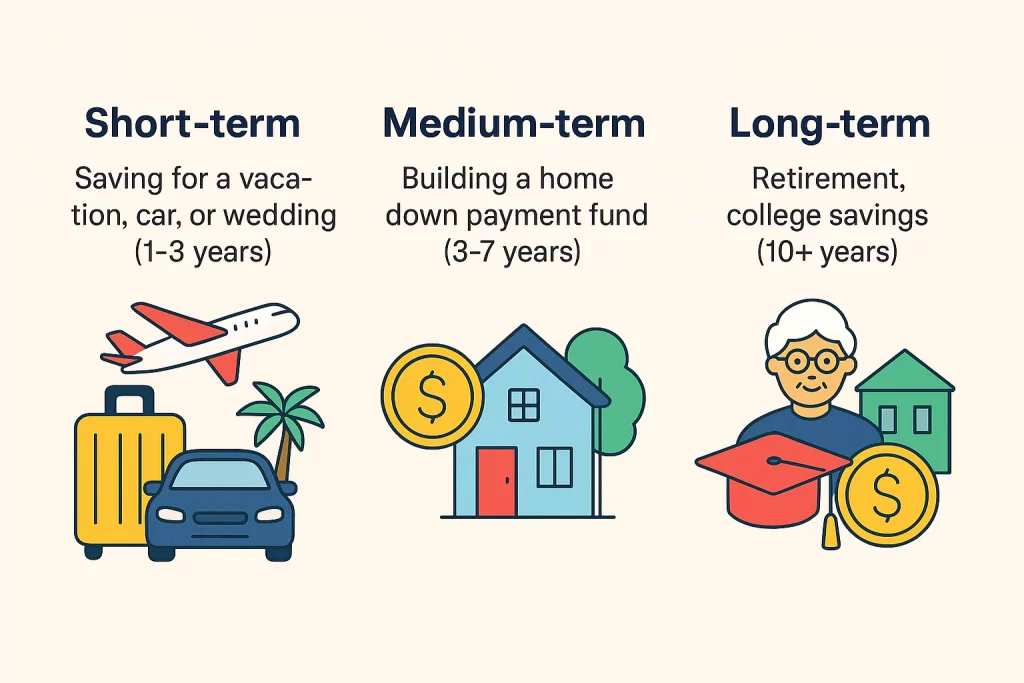
- Short-term: Saving for a vacation, car, or wedding (1–3 years).
- Medium-term: Building a home down payment fund (3–7 years).
- Long-term: Retirement, college savings (10+ years).
Specific goals help determine what account types to open (individual brokerage, Roth or traditional IRA, 401(k), etc.), and what level of risk is appropriate. For example, investments for retirement can usually handle more ups and downs in the market, while short-term goals often require safer, less volatile assets.
3. Assessing Financial Health
Before investing any money, take stock of your overall financial situation. This step lets you invest from a position of strength. As many experts recommend, always:
- Create a budget: Track your income, expenses, and cash flow to know what you can afford to invest.
- Establish an emergency fund: Having 3–6 months’ expenses in a savings account is generally advised so you don’t have to sell investments during tough times. For instance, Money Crashers highlights the need for $9,000-$18,000 if you spend $3,000 monthly.
- Debt check: “If your debt carries an interest rate higher than 6%, pay it down before investing” is common advice from sources like Reddit’s personal finance threads. You’re effectively earning that interest rate risk-free by paying off debt before investing.
- Disposable income: Only invest what’s left over after necessities, savings, and debt payments.
4. Learning Different Investment Strategies
Understanding your preferred approach is crucial. Some common strategies include:
- Growth investing: Focus on companies with rapid revenue and earnings expansion.
- Value investing: Look for undervalued companies trading below intrinsic worth.
- Dividend investing: Choose companies that pay regular dividends for income.
One frequent theme in beginner forums: diversification. Spreading investments across multiple assets helps protect you if one sector (like tech) falls out of favor. As Reddit user MarketHound92 shared, “I lost a chunk betting only on fintech in 2021; now I spread out across healthcare, industrials, and utilities.” Adjust your asset allocation—the mix of stocks, bonds, and cash—based on your risk tolerance.
5. Choosing the Right Investment Account
Your choice of investment account directly affects taxes and flexibility. Here’s a handy comparison:
| Account Type | Key Features |
|---|---|
| Brokerage | Full flexibility; taxable; easy access to funds anytime |
| 401(k), IRA | Tax advantages; special rules; penalties for early withdrawal |
If your employer offers a 401(k) with a match, most experts—and countless users on r/personalfinance—recommend contributing enough to get the full match before other investments. For individual investing, a taxable brokerage account is flexible and easy to open online in minutes. Compare fees, investment options, and account minimums to find the best fit.
6. Starting with a Small Investment
My own start in investing wasn’t with large sums. In fact, many experts suggest starting with just $100–300 per month. According to a popular YouTube investing guide, “The key is to build the habit, not worry about the amount at first.” Today’s platforms make it even easier, offering:
- Fractional shares: Buy portions of high-priced stocks with as little as $1.
- ETFs: One investment gives you exposure to hundreds of companies at once.
Consider setting up automatic transfers from your checking account to your investment account. This “pay yourself first” system ensures you stick with your investing plan.
7. Conducting Research and Analysis
Even if you’re using a robo-advisor, learning basic research skills builds confidence and ensures you understand what you own. Key analysis methods include:
- Financial statements: Review a company’s balance sheet, income statement, and cash flow statement.
- Metrics: Look at the price/earnings (P/E) ratio, earnings per share (EPS), and revenue growth.
- Resources: Use Yahoo Finance, Morningstar, and apps like Fidelity or Schwab for news, info, and research tools.
If you’re stuck, investor communities on forums like r/stocks and Bogleheads.org share real-world stories and analysis. As BogleFanJoe posted, “I read at least two earnings reports and compare P/E ratios with sector averages before I buy anything new.”
8. Monitoring and Rebalancing Your Portfolio
Investing is not “set it and forget it.” I learned the hard way how important it is to check in regularly. Every few months, review your portfolio:
- Performance review: Compare your investments against benchmarks like S&P 500 returns, which have averaged 9.8% per year over the last century.
- Rebalancing: If stocks outperform and become too large a part of your portfolio, sell some and reinvest in bonds or cash to restore your target allocation.
- Stay informed: Keep up with relevant company or economic news, but avoid panicking during market dips—history shows that markets recover over time.
Most importantly, stick to your plan. Emotional investing is one of the most common pitfalls, as echoed by countless long-term investors on Reddit and in investing books.
Beyond-Common-Sense Insights
- Robo-advisor fees: Average around 0.25% annually, making professional portfolio management accessible to beginners without the high cost of a traditional advisor.
- Tax efficiency: Placing funds in tax-advantaged accounts (like Roth IRAs) shields earnings from taxes, potentially compounding returns over decades.
- Simultaneous diversification: Buying several investments at once (even in very small amounts) reduces “luck risk” versus gradually buying one stock each month.
- Priority of emergency fund: Never begin investing before having 3–6 months’ living expenses set aside, as unexpected events can otherwise force a sale at a loss.
- Debt pay-down as investment: Eliminating debt with >6% interest rate can yield a higher, risk-free “return” compared to average stock market gains.
Additional Resources
- Books: “The Simple Path to Wealth” by JL Collins, “I Will Teach You to Be Rich” by Ramit Sethi
- Online courses: Coursera’s “Beginner’s Guide to Investing,” Khan Academy’s personal finance modules
- Communities: r/personalfinance and r/investing (Reddit), Bogleheads.org
- Financial news: Follow MarketWatch, Reuters, Yahoo Finance, and Bloomberg for reliable, up-to-date info
Conclusion

When I look back on my own journey, taking thoughtful, well-researched steps made all the difference. If you start by assessing your financial foundation, defining your goals, choosing the right platform, and building slowly with consistent habits, you set yourself up for long-term financial growth.
Let me recap the steps: first, make sure your everyday finances—savings, budgeting, and debt—are in order. Determine what you’re investing for, then decide how much risk you can stomach and whether you want a hands-on or hands-off approach. Choose your brokerage or robo-advisor, start small (even just $100 a month is progress!), diversify across investments, and remember to review and rebalance as needed. Stay patient, stay informed, and tune out the noise and hype.
I invite you to share your questions, experiences, or tips for fellow beginners in the comments below. What worked or didn’t work for you? Let’s help each other grow and succeed as investors!