



Stock market investment remains one of the most popular—and often powerful—pathways to building long-term wealth. With millions of investors globally and increasing accessibility for individuals at all income levels, stocks present both opportunities and risks. In my experience, investing in the stock market has not only expanded my financial outlook, but also introduced me to strategies that can make a tangible difference in wealth accumulation. Below, I’ll reveal the seven essential benefits of stock market investment for wealth building, supported by robust research and expert insights.
Quick Summary
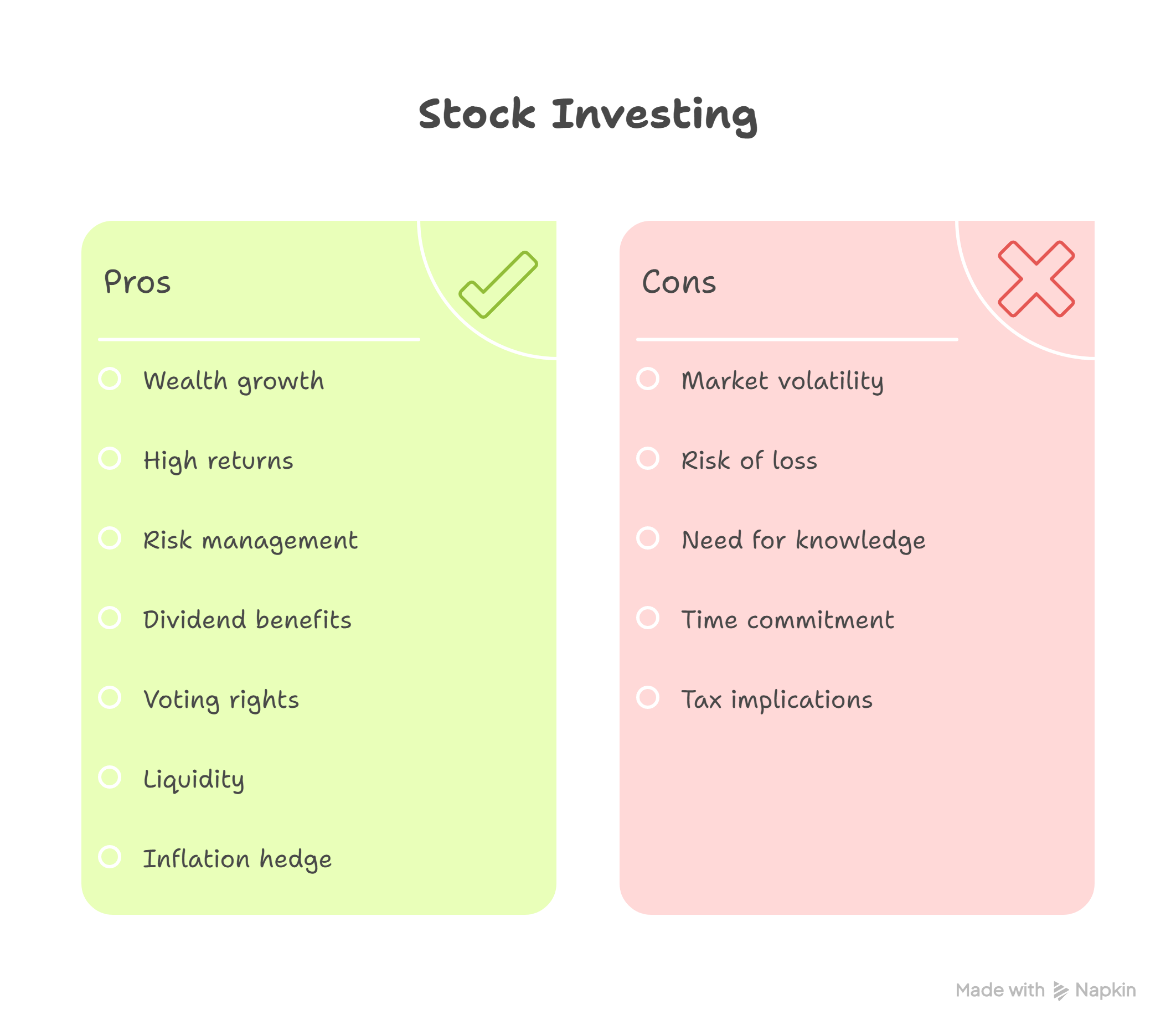
- Historical data shows stock investing can substantially increase wealth over decades.
- Stocks offer higher returns than most traditional savings or fixed-income avenues.
- Diversification in stocks helps manage risk and smooth portfolio growth.
- Dividend earnings boost wealth, especially when reinvested.
- Stock ownership provides voting rights and a direct stake in business growth.
- Stocks are highly liquid, giving investors flexibility and access to their capital.
- The market helps hedge against the erosive effects of inflation on savings.
1. Historical Trends in Wealth Accumulation
Examining decades of financial data reveals that consistent stock market investment has outperformed many other asset classes in building wealth. Research highlights that, for every dollar increase in stock market wealth, there’s a measurable uptick in consumer spending—a phenomenon known as the wealth effect. Notably, a study from Chodorow-Reich, Nenov, and Simsek demonstrates that each dollar of market wealth translates to approximately 2.8 cents in annual consumer expenditure. This multiplier effect not only aids individual investors, but also stimulates broader economic growth, reinforcing the value of long-term stock investing.

Families leveraging stock investments have seen significant gains: Over the past few decades, those at the 50th wealth percentile nearly quadrupled their wealth, while the upper echelons have experienced sevenfold increases. These findings support the idea that, with patience and persistence, stock market investment can be instrumental for multigenerational wealth growth.
2. Potential for High Returns
One of the most compelling benefits of stock market investment is the potential to achieve higher returns compared to traditional savings accounts or bond portfolios. Historically, the average annual return of major market indices like the S&P 500 has hovered around 7–10% after inflation, compared to much lower yields from fixed-income products.
Of course, this reward comes with volatility and risk. But research from Morningstar points out that just a fraction of publicly listed companies have created $15.9 trillion in shareholder wealth over a recent decade, showcasing the transformative earning power of well-chosen equities. For wealth builders, this means that a strategy anchored in stocks can drive significant financial growth if managed wisely.
3. Diversification Opportunities
Diversification is core to reducing investment risk. By allocating funds across companies in different sectors, market caps, and geographies, investors can better insulate their portfolios from sector- or company-specific declines. High-net-worth investors, according to research, engage in sophisticated diversification, with 93% owning equity positions among various holdings.
Building a diversified stock portfolio stabilizes gains and minimizes losses—especially critical during periods of turbulence. As retail market participation has surged (now making up 20% of all trades), access to diversified, low-cost index funds and exchange-traded funds (ETFs) has never been greater. This enables even new investors to practice proven risk-management techniques used by the world’s wealthiest families.
4. Dividend Income
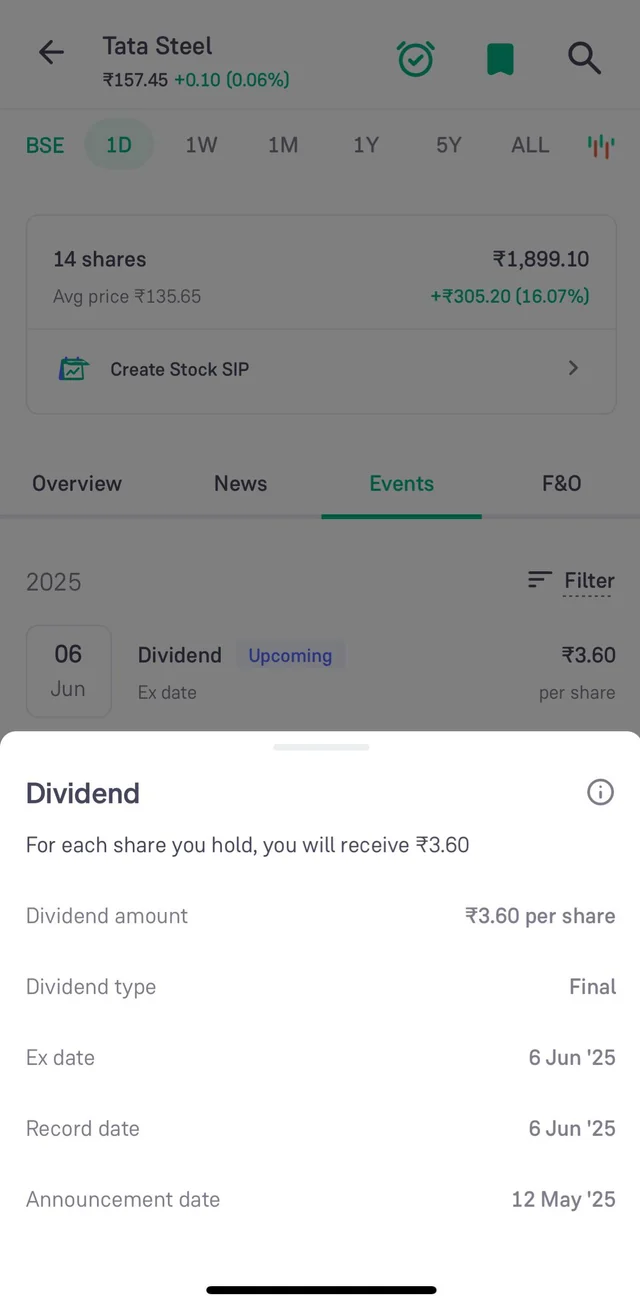
Beyond simple appreciation in stock prices, dividends represent a direct pathway to building wealth. Dividends are profit distributions from companies to their shareholders, providing steady passive income streams. As highlighted in academic studies, many long-term investors rely on dividends as a predictable income source, with reinvested dividends dramatically compounding investment growth over time.
For example, had you consistently reinvested the dividends from a blue-chip index over the past 30 years, your overall total returns could have doubled compared to price appreciation alone. This dual benefit—income and growth—sets stock investments apart for wealth builders.
5. Ownership and Voting Rights
Buying shares doesn’t just entitle you to profits; it grants actual ownership in public companies. As a shareholder, you have the right to vote on major company decisions, including board appointments and mergers.
- This empowers you to influence a company’s direction and ensures your interests are represented.
- It also means you participate in potential windfalls from growth, innovation, or favorable business developments.
According to recent surveys of high-net-worth individuals, 93% hold stocks explicitly for both financial opportunity and the intangible value that comes with company ownership. While small individual shareholders may have limited voting power, collective retail investor action is increasingly shaping corporate governance.

6. Liquidity and Accessibility
Stocks are recognized for their liquidity—meaning they can be bought or sold quickly, often within seconds, at transparent market prices. This feature gives investors unparalleled flexibility, whether adjusting their portfolios, responding to emergencies, or capitalizing on new opportunities.
The rise of online brokerages and investing apps has further fueled accessibility. Today, platforms cater to every experience level, with 56% of recent first-time investors being the first in their families to enter the market. This democratization of investing means more people can harness these benefits regardless of background or previous wealth.
| Traditional Assets | Stocks |
| May require days or weeks to liquidate (e.g., real estate) | Usually liquidated within minutes during market hours |
7. Inflation Hedge
Inflation erodes the purchasing power of money over time. Deposits in savings accounts often struggle to keep pace with rising costs. However, history shows stocks have the long-term potential to outperform inflation, safeguarding—and even increasing—real wealth.
Notably, during recent periods of elevated inflation and market volatility, the value of stocks owned by the top 10% of households rose 43%, while even the bottom 90% gained 33%. This resilience illustrates why institutional and individual investors alike look to stocks when combating the silent threat of inflation.
Beyond-Common-Sense Facts About Stock Market Wealth Building
- For every $1 of stock market wealth created, consumer spending increases by nearly 3 cents annually, creating economy-wide ripple effects.
- Over half of new retail investors are pioneers in their families, breaking generational barriers to wall street participation.
- The wealthiest 10% of US households own almost 90% of stock assets, highlighting how concentrated most market gains remain.
- Since the financial crisis, just 4% of listed companies have generated $15.9 trillion in shareholder value, emphasizing the power of concentrated winners.
- A staggering $124 trillion in assets is expected to change hands through 2048, mainly driven by stock and market-linked investments.
Conclusion
Reflecting on my own experience and the data outlined above, I genuinely believe stock market investment offers a unique array of benefits that few other assets can match. From historical wealth accumulation and high-return potential to the flexibility of liquidity and protection against inflation, the stock market has continually proven itself as an essential tool for building long-term wealth.
Here’s a quick recap of actionable steps you can follow:
- Start early—capitalize on compounding by investing for the long term.
- Build a diversified portfolio—reduce risk by spreading investments across sectors and geographies.
- Reinvest dividends to accelerate wealth growth.
- Stay informed and consider your voting rights as a shareholder.
- Use liquid platforms for easy access and rebalancing.
- Monitor inflation trends and adjust your strategy accordingly.
- Seek advice from professional advisors to tailor a plan that fits your risk tolerance and goals.
I encourage you to explore stock market investing as an integral part of your financial toolkit. If you have any questions, experiences, or insights about wealth building through the stock market, please share your comments below. I welcome your thoughts and look forward to learning from your journey.